
The Hip-Hop Mixtape: The History of the Original “Freemium” Marketing Model
Nov
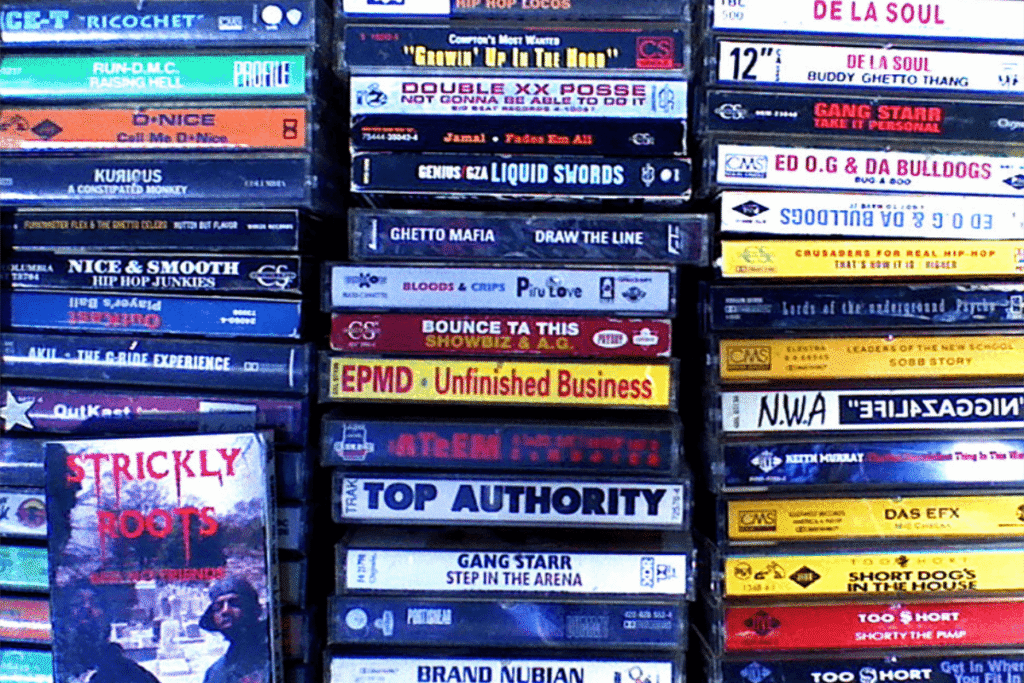
Take a good listen of a blank cassette tape and you will hear it – that faint, rhythmic hiss. To the untrained ear, it is just the sound of magnetic tape waiting to be magnetised. But to a generation of hip-hop heads, that hiss was the sound of anticipation. It was the auditory equivalent of a blank canvas, waiting for the culture to paint its next masterpiece.
Long before Silicon Valley coined the term “freemium” to describe a business model where basic services are given away for free to hook users before charging for premium features, hip-hop had already perfected the exact same strategy. They just called it the mixtape.
The hip-hop mixtape is not merely a collection of songs. It is a historical document, a cultural artefact, and a revolutionary marketing tool. It is the sound of artists bypassing traditional gatekeepers, finding their own frequency, and building a grassroots empire from the ground up. From the gritty, underground streets of 1980s New York to the polished, major-label streaming playlists of today, the mixtape has remained the lifeblood of the culture. It is the ultimate proof that giving away your best work upfront is the most reliable way to build a lasting legacy.
Introduction: The Origins of the Cassette Revolution
To understand the power of the mixtape, we have to rewind to the 1980s and 1990s. Hip-hop was still fighting for mainstream radio play. The traditional music industry operated on a strict top-down model. Record labels acted as the ultimate gatekeepers. If the suits in the boardroom did not think an artist would sell, that artist simply did not get recorded.
But the streets had their own infrastructure. Enter the DJ.
Pioneers like DJ Clue, Funkmaster Flex, and later DJ Drama, realised that they did not need a recording contract to reach the masses. They just needed a microphone, a turntable, and a cassette deck. DJ Clue, often referred to as the Godfather of the modern mixtape, started by recording his live radio sets and club performances. He would capture exclusive freestyles, unreleased tracks, and raw, unfiltered energy that you simply could not hear on commercial radio.
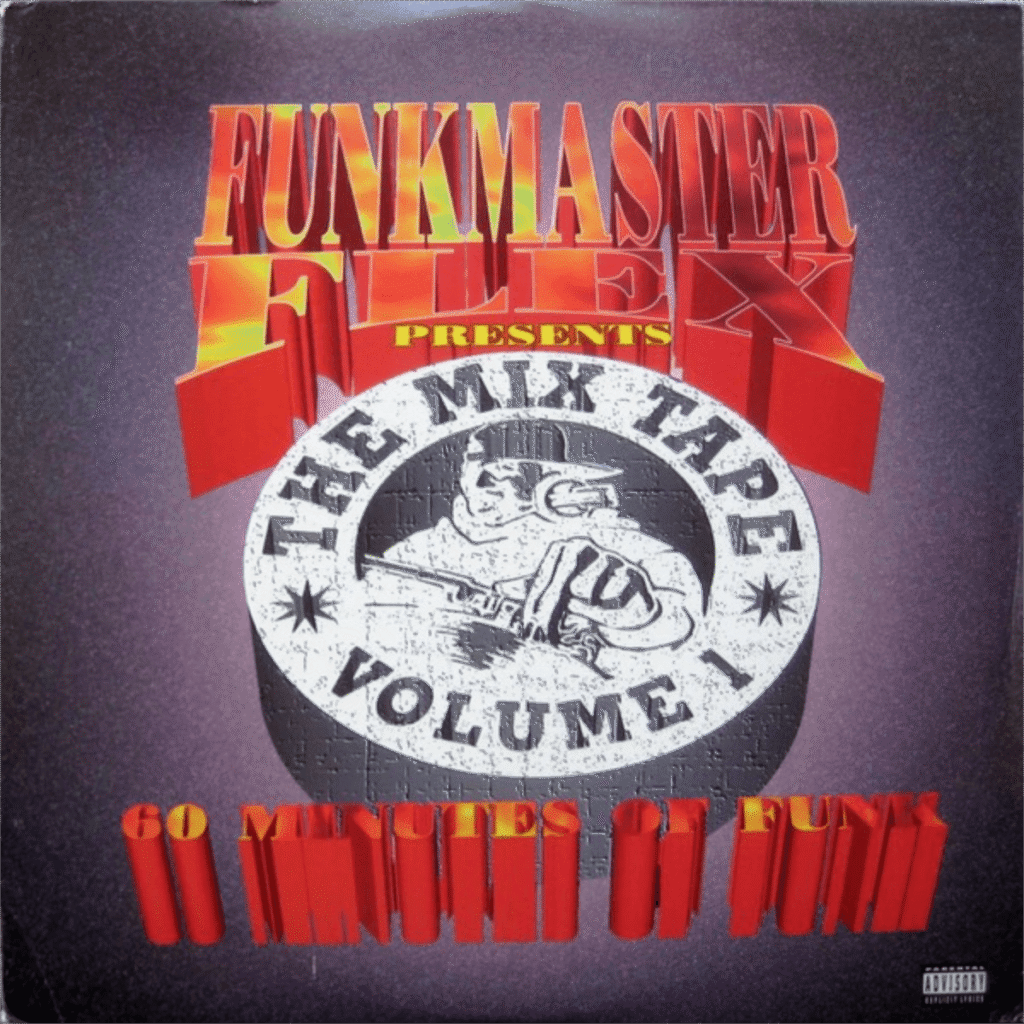
Funkmaster Flex took this to the next level on New York’s Hot 97. His mixtapes were legendary. They featured the biggest names in the game dropping exclusive verses over the hottest beats of the moment. These tapes were not just music; they were cultural currency. If you had the latest Flex tape, you were in the know. You were plugged into the frequency of the streets.
This was the original freemium model. The music was given away for free, or for the mere cost of a blank cassette. The goal was not to make a direct profit from the tape itself. The goal was to build street credibility, create an undeniable buzz, and establish a direct line of communication with the fans. By bypassing the traditional label structure, these DJs and artists were proving that the power did not reside in the boardroom. The power resided in the community.
The Marketing Engine: Hand-to-Hand Combat and the Economics of the Blank Tape
The genius of the early mixtape lay in its distribution model. It was the ultimate grassroots marketing engine. There were no algorithms pushing your content. There were no playlist curators deciding your fate. It was hand-to-hand combat.
The economics were beautifully simple. A blank TDK or Maxell cassette tape cost a few dollars. An artist or DJ would record their set, duplicate the tape, and sell it for five or ten pounds. Sometimes, they would just give them away outside of clubs, at barbershops, or on street corners. The physical cost of the blank tape was negligible, but the perceived value of the exclusive music on it was immense.
This created a powerful psychological loop. When a fan received a mixtape for free, or bought one for the cost of a blank cassette, they felt a sense of reciprocity. They were getting premium, exclusive content for a fraction of the cost of a major-label CD. In return, they became loyal advocates. They would play the tape in their cars, dub it for their friends, and demand to hear those tracks at local parties.
The mixtape also served as a real-time focus group. An artist could record a new freestyle on Tuesday, dub it onto a tape by Wednesday, and hand it out on Thursday. By the weekend, they would know exactly how the crowd was reacting. If a track was not connecting, they would drop it from the next batch. If it was setting the club on fire, they would build the next tape around that sound. This agile, responsive approach to creating music was decades ahead of its time.
Furthermore, the mixtape allowed artists to maintain complete creative control. There was no executive telling them to make a radio-friendly hook. There was no marketing department demanding a specific image. The mixtape was raw, unfiltered, and entirely authentic. It was the artist speaking directly to the people, without any corporate interference. This authenticity resonated deeply with audiences, forging a bond between the artist and the fan that was unbreakable.
The Golden Era of the Mixtape: Bypassing the Boardroom
As the 1990s bled into the 2000s, the mixtape evolved from a DJ-curated compilation into an artist-driven powerhouse. This was the golden era. Artists realised that they did not need a label to build a massive audience. They could do it themselves, one cassette, and later one CD-R, at a time.
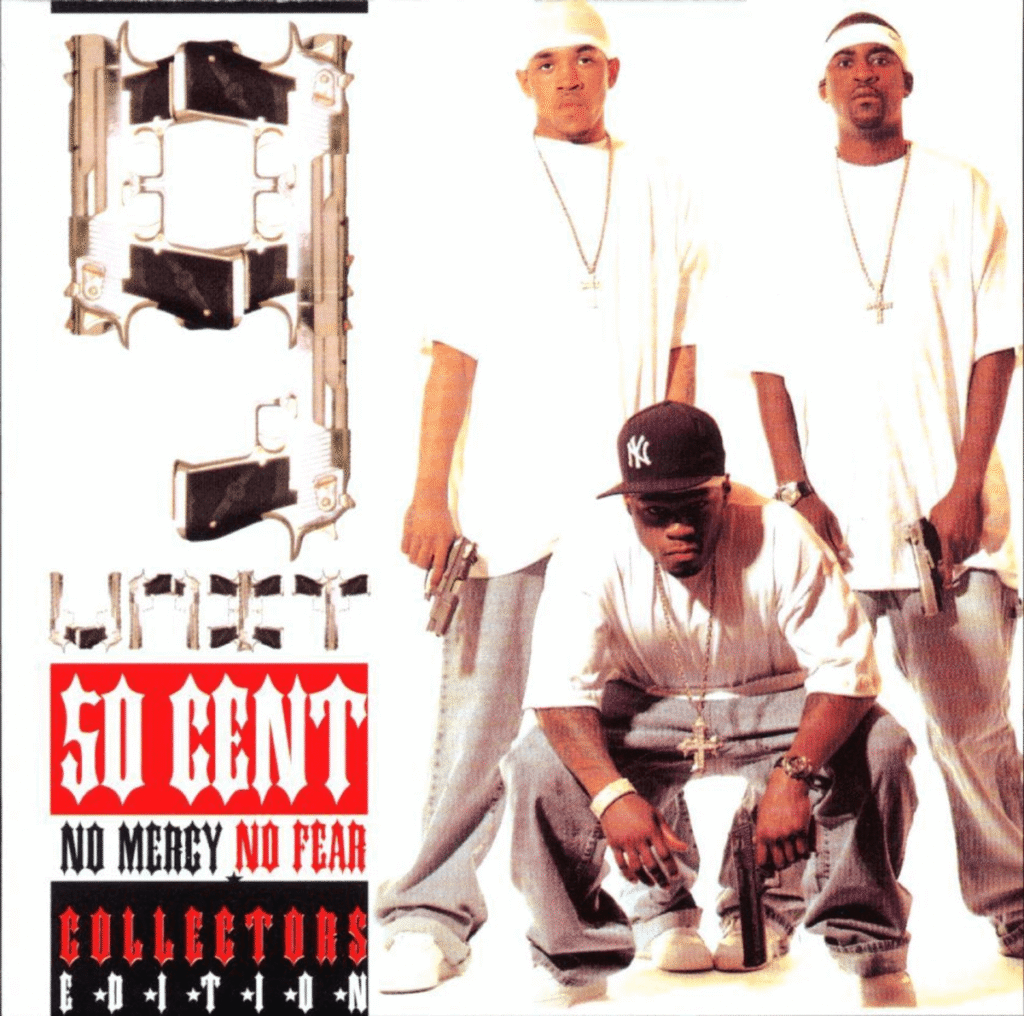
No artist exemplified this shift quite like 50 Cent. Before he was a global superstar, he was a blacklisted artist who had been shot nine times and dropped by his label. He had no industry support. So, he turned to the mixtape circuit. In 2002, he released No Mercy, No Fear. It was a masterclass in grassroots marketing. He rapped over popular beats, showcasing his incredible lyrical dexterity and undeniable charisma. The tape spread like wildfire. It created such a massive underground buzz that Dr. Dre had no choice but to sign him. 50 Cent did not wait for permission to be a star. He used the mixtape to force the industry to recognise his greatness.
Then came Lil Wayne. If 50 Cent used the mixtape to make a statement, Lil Wayne used it to build an empire. Throughout the mid-2000s, Wayne released a relentless stream of mixtapes, most notably the Dedication and Da Drought series. He was an alien, rapping over beats that no one else would touch, twisting words and bending flows in ways that defied logic. Wayne’s mixtape output was so prolific, and so vastly superior to his official studio albums at the time, that he essentially made the traditional album format look obsolete. He proved that an artist could maintain a constant, high-quality presence in the culture without waiting for the slow, grinding machinery of a major-label album rollout.
Down in Atlanta, Gucci Mane was doing something similar, but with even more sheer volume. Gucci treated the mixtape not just as a promotional tool, but as his primary medium of expression. He would record dozens of songs in a single session and release them on a mixtape the very next week. This relentless output allowed him to dictate the sound of Southern hip-hop. He bypassed the traditional label structure entirely, building a fiercely loyal fanbase and influencing an entire generation of rappers who saw his independence and success.
These artists found the groove that the major labels were missing. They understood that in hip-hop, relevance is maintained through constant output. The mixtape allowed them to stay in the pocket, feeding the streets exactly what they wanted, exactly when they wanted it. They were not just making music; they were controlling the narrative.
The A&R Pipeline: How the Streets Scouted for the Suits
As the mixtape circuit grew in power, the major labels could no longer ignore it. They realised that their traditional A&R pipeline was broken. They were spending millions of dollars developing artists in sterile studios, only to release albums that the public did not care about. Meanwhile, in the streets, artists were building massive, dedicated fanbases for the cost of a blank CD-R.
The labels had to adapt. They stopped looking for raw, unpolished talent to develop. Instead, they started using the mixtape circuit to scout artists who had already done the hard work. If an artist was selling thousands of mixtapes out of the trunk of their car, and the local clubs were going crazy every time their track came on, the label knew they were a safe bet.
The mixtape became the ultimate proof of concept. It was a tangible metric of an artist’s market value. Labels no longer had to guess what the public wanted. The mixtape circuit told them exactly who the public wanted. When a label signed an artist off the strength of their mixtapes, they were not signing a potential star. They were signing a proven commodity. They were simply adding a major-label budget and distribution network to an artist who already had the audience.
This shift in the A&R pipeline changed the power dynamics of the industry. Artists now had something to negotiate with. They were not begging for a record deal. They were bringing a pre-built fanbase to the table. This allowed artists like T.I., Young Jeezy, and later Kendrick Lamar to negotiate much more favourable contracts. They had already proven their worth. The label was just there to help them scale.
However, this also led to a dilution of the mixtape’s original spirit. As labels realised the value of the format, they started trying to co-opt it. They would sign an artist and then flood the market with “official” mixtapes to build hype for an upcoming studio album. The line between a grassroots, street-level project and a corporate marketing campaign began to blur. But even as the suits tried to sanitise the format, the core truth remained. The mixtape was still the most effective way to introduce a new artist to the world.
The Legal Shift and the “Commercial” Mixtape
As the mixtape grew in popularity, it also grew in legal peril. The original mixtape model relied heavily on using popular, copyrighted beats. An artist would take a Jay-Z instrumental, or a Kanye West beat, and rap their own verses over it. Because these tapes were sold on the street or given away for free, and because they were viewed as promotional tools, the copyright holders largely turned a blind eye. It was an unspoken understanding.
But as mixtapes started generating massive buzz, and as artists like Lil Wayne and Drake started achieving mainstream success with projects that blurred the line between mixtape and album, the music industry’s legal department stepped in. The threat of lawsuits over uncleared samples and beats became a very real danger. Major labels could not risk the financial liability of an artist getting sued for copyright infringement on a project that was generating millions of streams.
This legal crackdown forced a massive shift in how mixtapes were made. Artists could no longer just grab the hottest beat of the summer and spit a freestyle. They had to create original instrumentals. This fundamentally changed the sonic landscape of the mixtape. It was no longer just a collection of freestyles over familiar beats. It was becoming a fully realised, original body of work.
This shift birthed the “commercial” mixtape. The most famous example of this transition is Drake’s 2009 project, So Far Gone. While it still featured a few uncleared samples, it was largely composed of original production by Noah “40” Shebib and others. It was a mixtape in name and in its grassroots release strategy, but in quality and execution, it was a major-label album. It was a massive critical and commercial success, proving that a mixtape could compete with, and even surpass, traditional studio albums.
Chance the Rapper took this concept even further with his 2016 project, Coloring Book. It was released for free on streaming platforms, funded by Apple, and featured original production and high-profile guest appearances. It won a Grammy Award for Best Rap Album, making it the first streaming-only album to win a Grammy. Coloring Book completely obliterated the line between a mixtape and an album. It proved that an artist could give away a project of the highest commercial quality for free, and still achieve the highest levels of critical and financial success.
The legal shift forced the mixtape to evolve. It was remastered for a new era. It was no longer just a raw, underground tool. It was a legitimate, commercial format that could stand toe-to-toe with any major-label release. The artists who adapted to this shift thrived, while those who clung to the old model of uncleared beats found themselves sidelined.
The Digital Transition: From the Blog Era to the Streaming Playlist
The physical mixtape, first on cassette and then on CD-R, eventually gave way to the digital revolution. The internet changed everything, and the mixtape was right there at the forefront of the digital transition.
In the mid-2000s and early 2010s, the “blog era” took over. Websites like DatPiff, LiveMixtapes, and HipHopDX became the new street corners. DatPiff, in particular, became the undisputed king of the digital mixtape. Artists would upload their projects to the site, and fans would download them for free. The download counter on DatPiff became a new metric of success. If your mixtape hit 100,000 downloads, you were a star.
The blog era democratised the distribution of music even further. An artist in Atlanta could upload a mixtape, and a fan in London could download it seconds later. The geographical barriers that had previously limited an artist’s reach were completely erased. The internet allowed the hip-hop frequency to broadcast globally, instantly.
But as streaming services like Spotify and Apple Music took over the music consumption landscape, the mixtape had to adapt once again. The concept of downloading a zip file of MP3s began to feel archaic. Artists needed their music to be on the streaming platforms, where the algorithms dictated discovery.
This led to the modern streaming “playlist and album” hybrid. The mixtape was no longer a separate physical or digital download. It was simply uploaded to Spotify or Apple Music alongside the artist’s official studio albums. The distinction between a mixtape and an album, in terms of distribution, completely vanished.
However, the word “mixtape” did not die. Instead, it underwent a semantic shift. In the modern era, “mixtape” is no longer a description of the format or the legal status of the beats. It is a marketing tool. It is used to denote a specific vibe. When an artist releases a “mixtape” today, they are signalling to the audience that the project is looser, less polished, more experimental, or more raw than a formal “Album”.
An “Album” is expected to be a cohesive, heavily marketed, meticulously crafted piece of art. A “mixtape” is expected to be a collection of vibes, a sonic diary, a chance for the artist to experiment without the pressure of commercial expectations.
Artists like Future have used the mixtape moniker to release a relentless stream of high-quality, atmospheric projects like Beast Mode and 56 Nights. These projects are not held to the same rigorous standards as a traditional album. They are allowed to be messy, repetitive, and deeply atmospheric. Playboi Carti has used the mixtape format to release highly experimental, avant-garde projects that push the boundaries of his sound. By calling it a “mixtape”, the artist lowers the commercial expectations and gives themselves the creative freedom to just find the groove.
The digital transition proved that the mixtape is not tied to a specific piece of technology. It is not about the cassette, the CD-R, or the MP3. It is about the ethos. It is about the freedom to create and distribute music on your own terms.
The Ultimate Chameleon of Hip-Hop
The hip-hop mixtape is the ultimate chameleon of the music industry. It has adapted to every technological shift, every legal crackdown, and every change in consumer behaviour. It started as a hiss on a blank cassette tape, passed hand-to-hand on the streets of New York. It evolved into a CD-R sold out of the trunk of a car in Atlanta. It transitioned into a digital download on DatPiff during the blog era. And today, it exists as a curated playlist on Spotify, signalling a specific, experimental vibe to the listener.
Through all these changes, the core mission of the mixtape has remained exactly the same. It is a tool for building a grassroots fanbase. It is a way for artists to bypass traditional gatekeepers and speak directly to the people. It is a proof of concept that allows artists to build their own momentum before the industry even knows their name.
The legacy of the mixtape extends far beyond hip-hop. It has taught the entire music industry, and indeed the broader business world, a vital lesson. The original freemium model of the hip-hop mixtape proved that giving away your core value upfront is not a loss. It is an investment. By giving the streets the best music for free, artists built a level of loyalty and devotion that no amount of traditional marketing could ever buy. They monetised that loyalty through sold-out tours, lucrative merchandise, and eventually, highly profitable major-label album deals.
The mixtape taught us that the audience is not just a consumer. They are a community. And if you feed that community with authenticity, respect, and undeniable quality, they will carry your message to the ends of the earth.
So, the next time you drop the needle on a new project, or queue up a playlist from your favourite artist, take a moment to appreciate the lineage. You are listening to the echoes of DJ Clue, the relentless hustle of 50 Cent, the alien genius of Lil Wayne, and the digital pioneers of the blog era. You are listening to the sound of the original freemium model. You are listening to the hip-hop mixtape, and the frequency is stronger than ever.
References and Further Reading
- Chang, Jeff. Can’t Stop Won’t Stop: A History of the Hip-Hop Generation. St. Martin’s Press, 2005. (Provides essential context on the grassroots origins of hip-hop culture and early distribution methods).
- Hess, Mickey. Hip Hop in America: The Regional Style. Greenwood Press, 2009. (Explores the regional mixtape scenes, particularly the Southern and Atlanta circuits).
- Weingarten, Christopher R. “The Mixtape: A History.” Rolling Stone, 2015. (Details the transition from physical cassettes to the digital blog era).
Paine, Jake. “The History of the Mixtape.” HipHopDX, 2012. (An in-depth look at the golden era of mixtapes and the impact of artists like Lil Wayne and Gucci Mane). - Bradley, Adam. Book of Rhymes: The Poetics of Hip Hop. Basic Civitas Books, 2009. (Offers insight into the lyrical development and freestyle culture that thrived on mixtapes).
- DatPiff Archives. DatPiff.com. (Historical data on download metrics and the blog era of mixtape distribution).
- Sanneh, Kelefa. “The Rap on Rap.” The New Yorker, 2006. (Discusses the cultural impact of the mixtape circuit on the mainstream music industry).