
The Hidden Architects: How LGBTQ+ and Black Communities Built the Disco Empire
Sep
When you picture 1970s disco your mind likely defaults to a very specific and highly polished image. You see the flashing lights of Studio 54. You see polyester suits, platform shoes, and a certain cinematic moment on a painted dance floor.
Mainstream culture has spent decades remixing this era into a glittering caricature. We have been sold a remastered version of history that focuses entirely on the glamour, the excess, and the commercial peak of the genre. But if you want to understand the true frequency of disco, you have to look past the studio lights. You have to tune your dial to the underground.
Before it was a global commercial juggernaut, disco was a radical act of survival. It was born in the damp, cramped, and beautiful basements of New York City. It was forged by Black, Latino, and queer communities who were actively marginalised by the mainstream society of the 1970s. To understand disco, we have to drop the needle on the real origin story. We have to find the groove of a cultural revolution that started not in a corporate boardroom, but in a safe haven for those who had nowhere else to go.
The 1970s in New York was a gritty and difficult time. The city was nearly bankrupt. Crime was high. For Black and Latino youth, and especially for queer individuals, the streets were not just dangerous. They were hostile. The mainstream clubs in Manhattan often had strict door policies, turning away anyone who did not fit a narrow, wealthy, heterosexual, and white aesthetic. The socio-political climate was a heavy blanket of oppression, making the creation of alternative spaces an absolute necessity.
To grasp the roots of club culture, we need to step inside the early underground venues. Enter the pioneers who decided to build their own rooms. David Mancuso is widely credited with throwing the first true underground disco party. In 1970, he started The Loft in his own apartment at 99 Bowery. Mancuso was not trying to build a business. He was trying to create a sanctuary. He treated his guests like family, offering them organic food and a strictly private, invite-only environment. The magic of The Loft was not just in the guest list. It was in the sound system. Mancuso was an audiophile. He built a custom, towering speaker setup that delivered a pure and unadulterated frequency. He wanted the music to feel like a physical embrace. When he dropped the needle on a record, the goal was transcendence. He removed the barriers between the listener and the sound, creating an immersive environment where the marginalised could finally breathe.
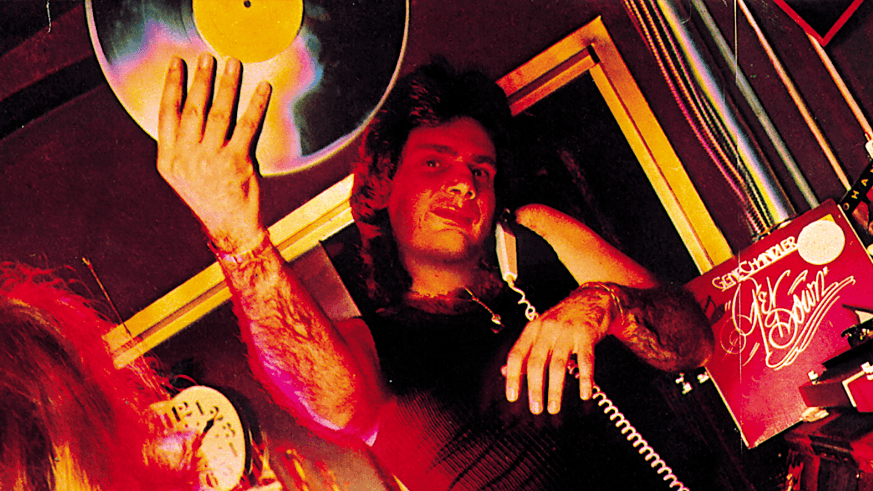
Then there was Francis Grasso. While Mancuso was perfecting the private party, Grasso was revolutionising the public club. Playing at venues like The Sanctuary and later The Haven, Grasso changed the fundamental mechanics of DJing. Before him, DJs just played a record, let it end, and awkwardly introduced the next one. Grasso started beatmatching. He used headphones to cue up the next track, matching the tempo so the music never stopped. He created a seamless and continuous mix. This was a profound shift. The DJ was no longer just a human jukebox. The DJ became a shaman, reading the room, guiding the emotional journey of the dancers, and keeping the energy locked in a perpetual groove.
These early clubs were radical safe spaces. In a world that told queer people they were sick, that told Black and Latino people they were second-class citizens, the dance floor was a place of absolute equality. The dance floor did not care about your gender, your race, or who you loved. It only cared if you could move to the rhythm. These venues were the physical manifestation of a marginalised community claiming space. They were building a utopia four-on-the-floor. As the scene grew, figures like Nicky Siano at The Gallery and later Larry Levan at Paradise Garage took this concept and elevated it. They built booths that allowed the DJ to be part of the crowd rather than above it. They created environments where the sound system was treated with religious reverence. These spaces were not just clubs. They were community centres, churches, and sanctuaries all rolled into one.
The music that soundtracked these sanctuaries was just as revolutionary as the spaces themselves. Disco was not a monolith. It was a beautiful and chaotic synthesis of various musical traditions. If you listen closely to the foundational disco tracks, you can hear the liner notes of the African American and Latin American experience.
At its core, disco took the deep and emotional vocal delivery of Black gospel and soul and placed it over a relentless and driving rhythm. But it was the percussion that truly gave disco its heartbeat. Latin musicians, particularly those from the Nuyorican community, brought the congas, the bongos, the timbales, and the cowbells into the studio. They layered these Afro-Cuban rhythms over the traditional soul backbeat. The result was a polyrhythmic masterpiece. The basslines became syncopated and thick. The high-hats hissed with a steady and hypnotic tick. The four-on-the-floor kick drum became the great equaliser, a steady pulse that everyone in the room could feel in their chest.
Producers and remixers like Tom Moulton also changed the sonic landscape. Moulton invented the 12-inch single. He realised that DJs needed longer tracks with extended instrumental breakdowns to keep the dancers in a trance. He stretched the songs out, emphasising the percussion and the bass. He created the disco mix. This was not just a technical innovation. It was a cultural one. It gave the DJ the tools to manipulate time and space on the dance floor.
Listen to the early tracks of the Salsoul Orchestra or the percussion-heavy cuts of Willie Colón. You can hear the musical synthesis in real time. You hear the lush and orchestral strings of Philadelphia soul blending with the raw and sweaty funk of James Brown. You hear the Spanish lyrics of Hector Lavoe intertwining with the soulful wails of Thelma Houston. This was a musical melting pot, but unlike the forced assimilation of the mainstream, this was a voluntary and joyous blending. It was a sonic reflection of the communities dancing to it. The equaliser was pushed to the max, blending the treble of the brass with the deep sub-bass of the rhythm section, creating a frequency that literally moved bodies.
As disco began to climb the charts, the mainstream music industry realised there was money to be made. The corporate machine moved in to commercialise the sound. They polished the rough edges. They cast white and heterosexual actors in movies to sell the culture to the masses. The music became formulaic. The safe and underground havens were overshadowed by exclusive and velvet-roped mega-clubs that recreated the very exclusion the original scene was built to escape. The B-side of disco was its own commercial death. The industry took a radical, marginalised art form and turned it into a predictable product.
But the true test of disco’s socio-political roots came with the violent backlash of the late 1970s. As rock radio ratings dipped and disco dominated the airwaves, a resentment brewed among a specific demographic. This resentment culminated in the infamous Disco Demolition Night at Comiskey Park in Chicago in 1979. A radio DJ promoted the event, urging fans to bring disco records to be blown up on the field between a baseball doubleheader.
The event turned into a riot. The crowd burned records, tore up seats, and invaded the field. While it was framed as a mere musical preference, the subtext was undeniable. The anti-disco movement was heavily coded with racism and homophobia. Disco was the music of Black, Latino, and queer people. Destroying disco was a way for the mainstream and white rock fan to reclaim cultural dominance. It was a rejection of the other. The slogan “Disco Sucks” was a dog whistle for a much deeper cultural anxiety. The mainstream was terrified of the power that these marginalised communities had generated. They were terrified of the safe spaces that were thriving right under their noses.
Yet, the marginalised communities who created disco did not let the music die. When the mainstream turned its back, the original pioneers took the sound back underground. They moved the party to warehouses in Chicago and abandoned factories in Detroit. They stripped away the orchestral strings and the commercial polish. They focused on the raw and mechanical beat. They used drum machines and synthesizers. They birthed house music and techno. The DNA of the original disco safe haven was remastered for a new generation. The frequency was adjusted, but the message remained exactly the same.
As the 1980s approached and the AIDS crisis began to devastate the queer community, these underground clubs became even more vital. They were no longer just places to dance. They were places to mourn, to organise, and to survive. The dance floor became a site of political resistance and profound communal love. The music provided a temporary escape from a society that was actively ignoring their suffering. The crossfader was used to blend the joy of the past with the urgent reality of the present.
Today, when you walk into a modern club, or when you listen to the latest pop track with a driving dance beat, you are experiencing the living legacy of those 1970s underground pioneers. The glitter and glamour of the mainstream disco era was just a brief and shiny overlay. The true foundation is built on the sweat, the struggle, and the profound joy of marginalised communities finding their groove in a hostile world.
Disco was never just about the clothes or the lights. It was about the right to exist. It was about creating a space where the outcasts could become the kings and queens of the night. The early DJs, the producers, and the dancers were engineering a cultural revolution one beat at a time. They took the pain of their daily lives and remixed it into a soundtrack of liberation.
When modern artists sample these classic tracks, they are tapping into a deep and rich reservoir of history. They are acknowledging that the modern pop landscape is built on the back of Black and queer innovation. The reverb of those early club sound systems still echoes in the stadiums of today. The high-hats still tick with the same hypnotic rhythm. The basslines still push the same physical weight.
So the next time you find yourself moving to a four-on-the-floor beat, take a moment to honour the original architects. Remember the damp basements of The Loft. Remember the seamless mixes of Francis Grasso. Remember the beautiful and chaotic blend of Black soul and Latin percussion. The mainstream may have tried to co-opt the sound, but they could never erase the soul. The heartbeat of modern dance music still pulses with the rhythm of those early and marginalised sanctuaries. The track never really fades out. It just keeps playing, echoing through the decades, reminding us that the dance floor will always be a place of refuge, revolution, and radical joy.
References
- Lawrence, Tim. Love Saves the Day: A History of American Dance Music Culture, 1970-1979. Duke University Press, 2004.
- Shapiro, Peter. Turn the Beat Around: The Passion, Politics, and Secret History of Disco. Faber & Faber, 2005.
- Echols, Alice. Hot Stuff: Disco and the Remaking of American Culture. W. W. Norton & Company, 2010.
- Reynolds, Simon. Energy Flash: A Journey Through Rave Music and Dance Culture. Faber & Faber, 1998. (Specifically the chapters detailing the transition from disco to house).
- Brewster, Bill, and Broughton, Frank. Last Night a DJ Saved My Life: The History of the DJ. Grove Press, 1999.