
Dua Lipa and the Mainstream Nu-Disco Revival
Sep
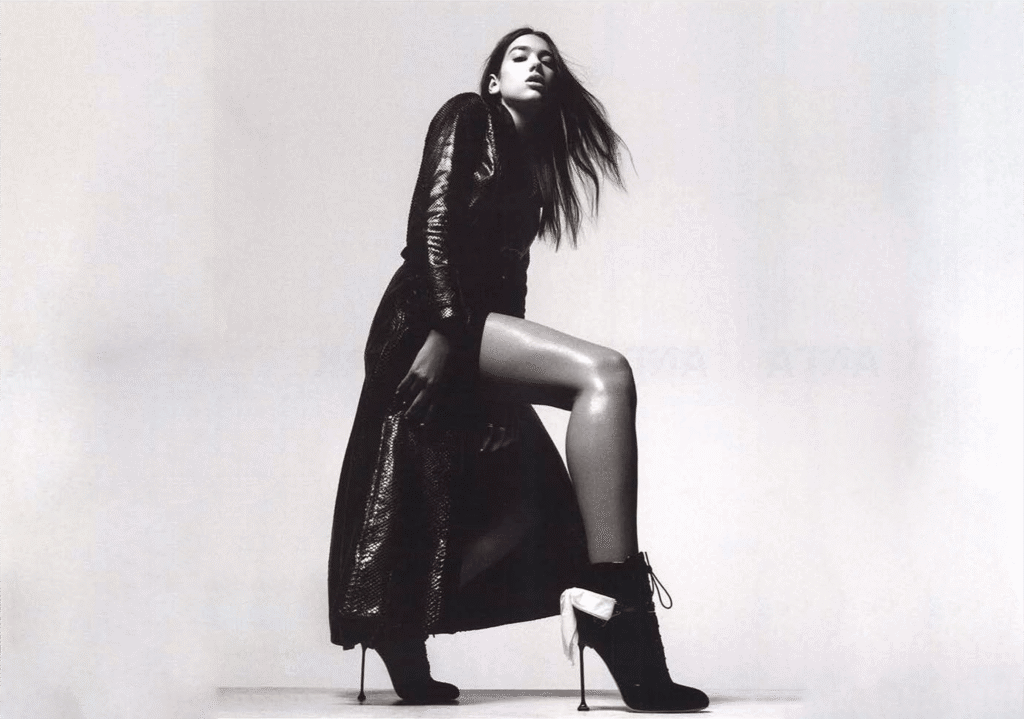
The world stopped spinning in March 2020. Doors locked, streets emptied, and the global frequency shifted to a low, anxious hum. It was the exact moment Dua Lipa decided to drop the needle on Future Nostalgia. Releasing a vibrant, glittering dance record at the dawn of a global lockdown was either a stroke of genius or a spectacular miscalculation. As it turned out, it was the perfect crossfade into a new era of pop music.
Before this record, the mainstream pop charts were heavily dominated by moody, mid-tempo trap beats and melancholic acoustic ballads. The emotional resonance was undeniably heavy. Then came Future Nostalgia, an album that completely rewired the sonic landscape. It did not just climb the charts; it hijacked the cultural conversation. Suddenly, the slick, syncopated sounds of nu-disco were everywhere. We were finding the groove in our living rooms, turning our kitchens into dance floors, and letting the four-on-the-floor kick drums drown out the noise of the outside world.
This massive commercial success was not just a fleeting moment of pandemic escapism. It sparked a widespread revival that saw artists across the globe remixing their sound to capture that same disco-pop magic. But how exactly did this revival happen, and what does it mean for the future of popular music? Let us break down the tracks, analyse the cultural resonance, and see if this glittering revival is here to stay.
The Sonic Recipe: Mixing the Perfect Nu-Disco Track
To understand the ubiquity of this sound, we have to look at the stems. What exactly makes a nu-disco track work in the modern pop landscape? It is all about the meticulous blending of vintage warmth and digital precision.
Take the lead single, “Don’t Start Now”, the moment the track starts you are hit with a bassline that is undeniably the star of the show. It is a muted, slap-bass groove that owes a massive debt to the session legends of the 1970s, like Carol Kaye and Louis Johnson. But it is not just a retro copy. The bass is compressed and tightened, sitting perfectly in the mix to drive the track forward without muddying the low end.
Then come the string stabs. Instead of the lush, sweeping orchestral arrangements of classic Philly soul, the strings in “Don’t Start Now” are staccato and rhythmic. They act as a percussive instrument, cutting through the frequency spectrum with sharp, bright transients. This creates a call-and-response dynamic with the vocal melody.
Underneath it all is the relentless four-on-the-floor kick drum. In late 2010s pop, the kick drum was often sparse, leaving plenty of negative space for heavy 808 bass slides. Nu-disco flips this script. The kick drum is the heartbeat, landing on every single beat. The hi-hats are heavily syncopated, adding a swinging, human feel to the rigid grid of the drum machine.
When we look at the rest of Future Nostalgia, the recipe evolves but the core ingredients remain. “Levitating” brings in a Daft Punk-esque vocoder and a bouncy, synth-heavy bassline that feels like a direct descendant of French house.
“Physical” pushes the BPM into the stratosphere, channeling the high-energy aerobics-pop of Olivia Newton-John while maintaining a modern, punchy low-end.
This sonic template was quickly adopted by the rest of the industry. The Weeknd’s “Blinding Lights” leaned heavily into synth-pop and disco-adjacent arpeggios.
Doja Cat’s “Say So” utilised a chic, Nile Rodgers-style rhythm guitar and a thick, rolling bassline.
Kylie Minogue returned with Disco, proving she was the reigning queen of the genre.
Jessie Ware brought a sophisticated, soulful nu-disco vibe to “What’s Your Pleasure?”.
The magic of this sonic recipe lies in its tactile nature. Even though these tracks are built on digital audio workstations, they are designed to sound like live instruments played by humans in a room. The slight imperfections, the breath in the vocal takes, the physical slap of the bass strings. It is a remastered version of analog warmth, optimised for the crisp playback of modern smartphone speakers and high-end club sound systems alike.
The Lineage: Tracing the Groove Back to the Underground
Mainstream pop rarely invents a sound out of thin air. It usually borrows from the underground and polishes it for mass consumption. The nu-disco revival of the early 2020s was a long time coming, and its roots stretch back through decades of dance music history.
Disco itself was born in the early 1970s in the underground clubs of New York and Philadelphia. It was the music of marginalised communities, specifically Black, Latino, and queer populations. It was a sanctuary. When the mainstream backlash hit, culminating in the infamous Disco Demolition Night in 1979, the genre did not die. It just went back underground, mutating into house, techno, and garage.
In the 2010s, a dedicated underground nu-disco scene began to flourish. Producers like Todd Terje, Purple Disco Machine, and Aeroplane were digging through crates of obscure 1970s and 1980s boogie, funk, and early house records. They were sampling, re-editing, and creating original tracks that honoured the golden era of dance music while updating the sound design for modern clubs.
This underground movement laid the crucial groundwork. It proved that there was a hungry audience for four-on-the-floor dance music that relied on live instrumentation and soulful vocals. When pop producers and major label A&R reps started looking for the next big shift away from trap and EDM, they found this thriving underground scene. They took the blueprint, applied major label budgets, and attached it to the biggest pop stars in the world.
Understanding this lineage is vital. It reminds us that disco is not just a retro aesthetic. It is a living, breathing musical tradition. When Dua Lipa or The Weeknd tap into this sound, they are connecting to a decades-long continuum of dance music that has always prioritised rhythm, groove, and communal joy.
The Cultural Context: Finding Joy in the Frequency of Isolation
While the sonic recipe explains how the music was made, the cultural context explains why it resonated so deeply. Why did nu-disco become the definitive sound of the early 2020s? The answer is inextricably linked to the global pandemic.
When the world shut down, people were stripped of their communal spaces. Clubs closed, concerts were canceled, and the physical act of dancing with strangers became a distant memory. The psychological toll of this isolation was immense. Pop music, which often reflects the cultural mood, was initially caught off guard. The moody, introspective pop of the late 2010s suddenly felt out of touch with the urgent need for relief.
Nu-disco stepped in to fill that void. It offered pure, unadulterated escapism. But it was not the mindless, plastic escapism of some earlier pop eras. Disco has always carried a specific cultural weight. Historically, it was music created by and for people who were marginalised. It was a tool for survival. The core ethos of disco is that no matter how hard the outside world is, for the next four minutes on the dance floor, you are free. You are beautiful. You are part of a community.
During the lockdowns, this message hit with unprecedented force. When people played “Levitating” or “Don’t Start Now” in their apartments, they were not just listening to a catchy hook. They were participating in a ritual of joy. The music provided a psychological crossfade from the anxiety of the news cycle to a space of euphoria.
Furthermore, the lyrics of these nu-disco tracks were incredibly empowering. “Don’t Start Now” is fundamentally a song about moving on, rejecting a toxic partner, and finding your own rhythm. “Physical” is about the intoxicating, almost dangerous thrill of new romance. These themes of self-reliance, resilience, and joy were exactly what a trapped, anxious population needed to hear.
The visual aesthetics of the revival also played a massive role in its cultural impact. The music videos and live performances were drenched in retro-futurism. We saw a return to sequins, flared trousers, platform shoes, and vibrant, neon colour palettes. In a time when our wardrobes were reduced to sweatpants and our surroundings were limited to our own homes, this visual feast was a welcome distraction. It was a reminder that glamour and artifice have a valid place in our lives.
Pop stars using disco aesthetics were not just chasing a trend. They were tapping into a deep cultural need for connection and light. They were reminding audiences that dance music is inherently communal, even when you are dancing alone in your bedroom. The frequency of the music was uplifting, acting as an auditory antidepressant for a world in need of healing.
The Legacy: Is the Disco Revival Here to Stay?
As we move further into the 2020s, the initial explosion of Future Nostalgia has settled into a steady, rhythmic pulse. The question now is whether the nu-disco revival was just a temporary reaction to a global crisis, or if it has permanently altered the landscape of mainstream pop.
If we look at the charts today, the influence is undeniable. The BPM of mainstream pop has remained relatively high. The sparse, minimalist trap beats of the late 2010s have largely been replaced by denser, more melodic, and rhythmically complex productions. Live bass guitars and vintage synthesizers are no longer considered novelty additions to a pop track; they are standard tools in the producer’s arsenal.
We can see the direct descendants of this revival in the massive success of artists like Sabrina Carpenter, whose recent work heavily incorporates disco and funk elements. We see it in the cultural monolith that is Beyoncé’s Renaissance, which, while leaning more heavily into house and ballroom culture, shares the same DNA of celebrating Black dance music history and prioritising the joy of the dance floor. We see it in the continued relevance of producers like Mark Ronson and Silk Sonic, who keep the flame of live, soulful funk and disco burning brightly.
However, pop music is a cyclical beast. The pendulum always swings. Just as disco was violently rejected in 1979 only to quietly influence everything that followed, the current nu-disco wave will eventually fade out, making way for the next sonic shift. We are already seeing a slight return to heavier, darker electronic sounds and a renewed interest in drum and bass and UK garage influences.
But a fade out does not mean a disappearance. The nu-disco revival of the early 2020s permanently remastered the pop landscape. It proved that joy is a highly viable commercial strategy. It reminded the industry that listeners crave tactile, human-sounding instrumentation alongside digital perfection. Most importantly, it re-established the dance floor as the ultimate sanctuary in pop music.
Future Nostalgia did not just give us a collection of massive hit singles. It gave us a blueprint for how pop music can heal, uplift, and unite. It showed us that when the world feels like it is losing its rhythm, the best thing we can do is find the groove, turn up the volume, and keep dancing. The disco revival may eventually crossfade into the next big trend, but the echo of that four-on-the-floor kick drum will resonate in pop music for a very long time.
References
- Petridis, Alexis. “Future Nostalgia by Dua Lipa review a life-saving burst of pop joy.” The Guardian, 2020.
- Mylraji, Dhruva. “The Nu-Disco Revival is Taking Over Pop Music.” Pitchfork, 2021.
- Browne, David. “How Dua Lipa and The Weeknd Brought Disco Back to the Mainstream.” Rolling Stone, 2020. 4.empire, Kitty. “Jessie Ware: What’s Your Pleasure? review a sophisticated, sultry nu-disco triumph.” The Observer, 2020.
- Thompson, Simon. “Disco’s Enduring Legacy: From the Underground to the Mainstream.” Music History Journal, 2019.