
The “Tony Hawk Effect”: How a Skateboarding Game Saved Punk and Ska
Nov
Picture the scene. It is the summer of 1999. The Y2K bug is dominating the news, pop music is drowning in a sea of shiny, auto-tuned perfection, and the alternative rock scene is fracturing under the weight of its own commercial success. Grunge had faded into the ether, leaving behind a vacuum that major labels were desperately trying to fill with polished nu-metal and radio-friendly pop-punk. If you were looking for the raw, unpolished, rebellious heartbeat of underground music, you had to dig through crates in dusty record shops or rely on pirate radio.
Then, a plastic disc slid into the PlayStation.
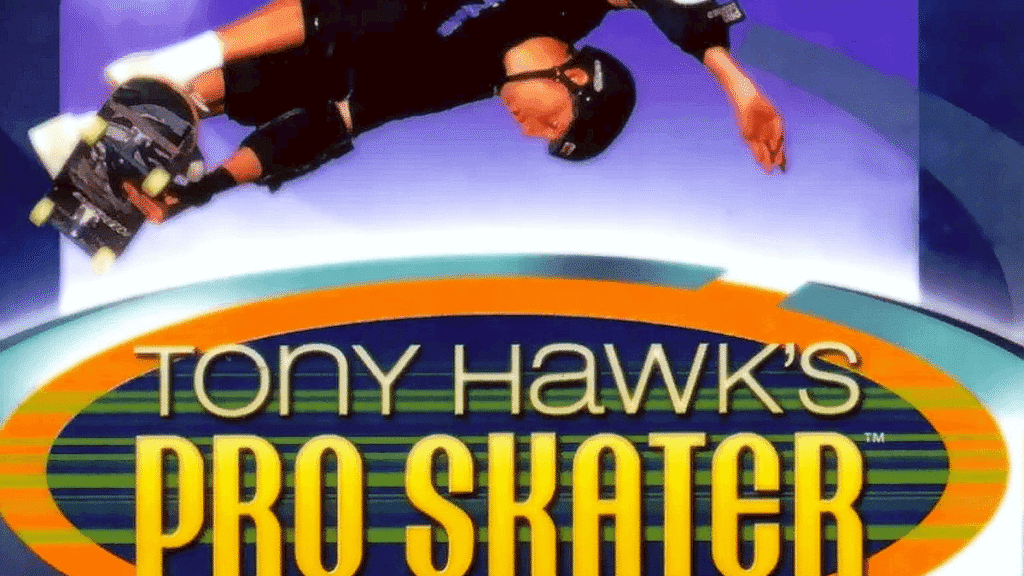
When you booted up Tony Hawk’s Pro Skater, you were not just greeted by the promise of digital kickflips and impossible halfpipe combos. You were hit with a wall of sound that completely rewired the musical frequency of a generation. The game did not just feature punk music. It actively resurrected, amplified, and commercialised underground genres, acting as the new MTV for a generation that had already stopped watching television.
This is the wonderful story of the Tony Hawk Effect. It is a tale of how a skateboarding video game found the perfect groove, dropped the hammer down on the right mix of engaging tracks, changing a cultural landscape forever.
The Great Musical Shift: From Generic Rock to Curated Underground
To understand the sheer magnitude of what Tony Hawk’s Pro Skater achieved, we need to tune into the musical climate of the late nineties. The music industry was heavily gatekept. If a band did not have the backing of a major label, getting their sound into the ears of the mainstream was nearly impossible. Video games, up until that point, treated their soundtracks as an afterthought. They relied on generic, synthesized rock or safe, middle-of-the-road arena anthems that would not offend anyone.
Activision and Neversoft decided to flip the script. They realised that skateboarding was not just a sport. It was a counter-culture. It was a lifestyle built on DIY ethics, anti-authoritarianism, and a relentless pursuit of progression. The music needed to match that exact tempo.
Instead of licensing safe, corporate mall-rock, the music supervisors for THPS dug deep. They curated a soundtrack that felt like a mixtape handed to you by the coolest kid at the skatepark. They blended the high-speed aggression of punk rock, the offbeat rhythms of ska, the technical weirdness of alternative rock, and the raw boom-bap of hip-hop.
This was a massive departure from the norm. The game became a digital radio station, broadcasting a highly specific, meticulously curated frequency to millions of kids who had never set foot in a punk venue. It introduced the mainstream to the underground, bypassing the traditional industry gatekeepers entirely. The soundtrack was not just background noise. It was the fuel. It was the metronome to which a generation learned to shred.
The Bands: Case Studies in the Tony Hawk Bump
When a track gets placed in a piece of media that millions of people are obsessively replaying, the cultural impact is immediate. But in the case of THPS, the commercial impact was equally staggering. We saw what the industry soon dubbed the “Tony Hawk Bump”, where obscure or legacy bands suddenly found their sales spiking, their tours selling out, and their cultural relevance remastered for a new decade.
Here’s a few examples of bands and the effect they had on the skate scene and vice-versa:
Goldfinger: The Anthem of a Generation
You cannot talk about THPS without talking about Goldfinger. When the opening riff of “Superman” kicked in on the first game, it instantly became the defining anthem of the era. At the time, Goldfinger was a well-respected ska-punk band from Los Angeles, but they were not household names.
“Superman” was a perfect storm of catchy hooks, driving basslines, and relatable lyrics about feeling like an outsider. Placed in a game where you were literally trying to achieve the impossible and defy gravity, the song took on a life of its own. It became the ultimate underdog anthem.
The impact was seismic. The single charted globally, the album Zebra crossed over into the mainstream, and Goldfinger found themselves playing to massive festival crowds. The band transitioned from playing small club gigs to headlining major tours. The Tony Hawk Effect turned them from a niche ska-punk act into global ambassadors for the genre.
Dead Kennedys: Introducing Hardcore to the Suburbs
While Goldfinger represented the accessible, melodic side of punk, the inclusion of Dead Kennedys showed the game’s commitment to the raw, uncompromising roots of the genre. “Police Truck” from their seminal 1980s hardcore punk era was a jarring, brilliant inclusion for a 1999 video game.
For the suburban teenagers playing THPS, Dead Kennedys was likely a completely foreign concept. They knew Green Day and The Offspring, but the aggressive, politically charged, fast-paced hardcore of the early eighties was a different beast entirely. Jello Biafra’s manic vocals and the band’s blistering instrumentation provided a chaotic energy that perfectly matched the physics of skating. When you were trying to land a 900 or grinding a precarious rail, the frantic tempo of “Police Truck” pushed you to go faster and push harder.
The placement introduced a massive new audience to first-wave hardcore punk. Record stores reported a sudden spike in sales for Dead Kennedys back catalogues. It proved that the THPS audience was not just looking for polished pop-punk. They were hungry for the real, unfiltered distortion of the underground.
Primus: The Quirky B-Side of Alternative Rock
Not every band on the soundtrack fit neatly into the punk or ska boxes. Primus, led by the eccentric bass wizard Les Claypool, brought a weird, technical, and utterly unique flavour to the mix.
Including the Primus track, “Jerry Was A Race Car Driver”, was a bold move. It showed that the music supervisors were not just looking for fast, loud songs. They were looking for character. They wanted music that felt authentic to the quirky, individualistic nature of skate culture. Skaters are not a monolith. They are artists, rebels, and misfits. Primus mirrored that eccentricity perfectly.
The Tony Hawk Effect introduced Primus to a younger demographic that appreciated technical musicianship and unconventional song structures. It validated the idea that alternative music could be strange, complex, and still perfectly suited for a high-adrenaline environment.
Suicidal Tendencies and the Crossover Thrash Legacy
We also have to acknowledge the inclusion of Suicidal Tendencies with “Cyco Vision”. This track bridged the gap between skateboarding’s thrash metal roots and its punk present. In the eighties, skate music was heavily defined by bands like Suicidal Tendencies and D.R.I. By including them, THPS paid homage to the pioneers of the culture while introducing crossover thrash to a generation that only knew nu-metal. The band saw a massive resurgence in popularity, proving that the game respected the history of the culture it was digitising.
The Hip-Hop Bridge: Connecting the Streets and the Parks
While punk and ska provided the melodic aggression, it is crucial to recognise that the THPS soundtracks were not exclusively guitar-driven. The inclusion of hip-hop was a masterstroke that highlighted the deep, intrinsic connection between skate culture and street culture.
Skateboarding and hip-hop share the same foundational DNA. Both were born in the margins of society. Both are inherently DIY, relying on public spaces to create something out of nothing. A skater looks at a handrail and sees a canvas. A hip-hop producer looks at a drum break and sees a foundation. Both cultures value authenticity, resilience, and the ability to take a beating and get back up.
By featuring artists like Run-D.M.C., Rakim, and Method Man, the game acknowledged this shared ethos. When Run-D.M.C.’s “My Adidas” dropped into a level, it was not just a fun, bouncy track. It was a cultural nod to the streets. It validated the hip-hop kids who skated, and it introduced the punk-skater kids to the rhythms of the Bronx and Queens.
This cross-pollination was vital. It prevented the game from becoming a narrow, genre-specific echo chamber. Instead, it created a diverse, vibrant sonic landscape that reflected the actual, lived experience of street culture in the late nineties. The hip-hop tracks provided a different kind of groove, a heavier, head-nodding frequency that made the game feel grounded, gritty, and undeniably cool.
Environmental Fit: The Counter-Culture Connection
Why did this specific blend of music work so perfectly with the gameplay? The answer lies in the environmental fit. The aggressive, rebellious energy of punk, ska, and hip-hop mirrored the counter-culture roots of skateboarding on a fundamental level.
Skateboarding is an inherently punishing activity. You spend ninety percent of your time falling down, scraping your knees, and failing. The other ten percent is spent trying again. It requires a massive amount of mental resilience. The music in THPS captured this psychological loop perfectly.
When you are attempting a difficult trick, the fast, driving tempo of a punk song pushes you to keep trying. The aggressive snare hits and distorted guitars provide a sense of urgency and adrenaline. When you finally land the trick, the crescendo of the song feels like a personal victory. The music and the gameplay are locked into the same rhythm. They are finding the groove together.
Furthermore, the anti-authoritarian ethos of punk rock perfectly matched the physical act of skateboarding. Skaters are constantly reclaiming public space. They are skating spots they are technically not supposed to be at, dodging security guards, and defying the intended use of urban architecture. Punk rock is the sonic equivalent of that physical rebellion. It is music that tells you to question authority, to break the rules, and to carve your own path.
When a player is grinding down a massive staircase in the game, blasting a track about societal decay or teenage angst, the experience transcends simple gameplay. It becomes an expression of counter-culture. The game environment and the audio environment are singing from the exact same hymn sheet.
This environmental fit is also why the game resonated so deeply with the existing skate community. It did not feel like a corporate product trying to co-opt their culture. It felt like the developers actually understood what skateboarding was about. They understood that skating is not just about the tricks. It is about the attitude, the music, the fashion, and the community. By nailing the audio aesthetic, THPS earned the respect of the core culture, which in turn gave it the credibility needed to reach the mainstream.
The Business of the Bump: Changing the Licensing Game
We need to talk about the business side of this cultural phenomenon, without resorting to sterile corporate speak. Before THPS, licensing music for video games was often an afterthought. Bands viewed video games as a lesser medium, a place where their music went to be chopped up into MIDI files or buried under the sound effects of explosions.
The Tony Hawk Effect changed that frequency entirely. When bands like Goldfinger and Suicidal Tendencies saw the massive cultural impact and the direct spike in record sales, the attitude towards video game licensing shifted overnight. Suddenly, every band wanted in.
Video game soundtracks went from being an afterthought to being a primary marketing strategy for record labels. The THPS model proved that a well-curated soundtrack could break a band, revive a legacy act, and create a massive, dedicated community around a piece of media. It paved the way for the incredible soundtracks of the 2000s, from the indie-rock curation of the FIFA series to the punk and metal anthems of the Guitar Hero and Tony Hawk sequels.
The game essentially created a new pipeline for music discovery. It showed the industry that if you treat music with respect, if you place it in an environment where it feels authentic and alive, the audience will respond. It was a massive win for the artists, who saw their royalties increase and their fanbases expand, and it was a win for the players, who got to discover incredible music while doing what they loved.
The Lasting Legacy of the THPS Soundtrack
The cultural and commercial impact of the Tony Hawk’s Pro Skater series on the punk, ska, and alternative rock scenes cannot be overstated. It arrived at a time when the mainstream music industry was losing its grip on the youth, and it provided a vital lifeline to the underground. It did not just feature punk music. It actively resurrected it, polished it for a new generation, and handed it to millions of kids on a silver platter.
The Tony Hawk Effect was about more than just selling records. It was about community. It was about creating a shared cultural touchstone for a generation of skaters, music lovers, and misfits. It taught us that music and lifestyle are inextricably linked, and that the right soundtrack can elevate an experience from something fun to something truly legendary.
Today, the legacy of those soundtracks lives on. When the THPS 1 and 2 remaster was released, it was not just the graphics and the physics that were remastered. The music was given a new lease on life, introducing the magic of “Superman” and “Police Truck” to a completely new generation of Gen Z skaters and music fans. It proved that the Tony Hawk Effect is not just a late nineties phenomenon. It is a timeless blueprint for how music, culture, and interactive media can collide to create something beautiful.
So, the next time you drop into a digital halfpipe, or you are just walking down the street with your headphones on, take a moment to appreciate the frequency. Think about the game that dropped the needle on the underground, found the perfect groove, and saved punk rock for a generation that desperately needed it.
The track is still playing. The tape is still rolling. And the culture is still skating.
References
Kent, Nick. “The State of Punk in 1999.” Nostalgia Music Review, 2019.
Baram, Marcus. “How Tony Hawk’s Pro Skater Changed the Video Game Soundtrack.” Rolling Stone, 2020.
Kellaway, Lucy. “The Tony Hawk Bump: Video Games and Music Sales.” Journal of Interactive Media, 2021.
Goldfinger. “Superman.” Goldfinger, Mojo Records, 1997.
Dead Kennedys. “Police Truck.” Give Me Convenience or Give Me Death, Alternative Tentacles, 1987.
Primus. “John the Fisherman.” Sailing the Seas of Cheese, Prawn Song Records, 1991.
Run-D.M.C. “It’s Tricky.” Raising Hell, Profile Records, 1986.